
Bathroom uPVC Windows and Ventilators: Designs, Exhaust Fan and Glass Options
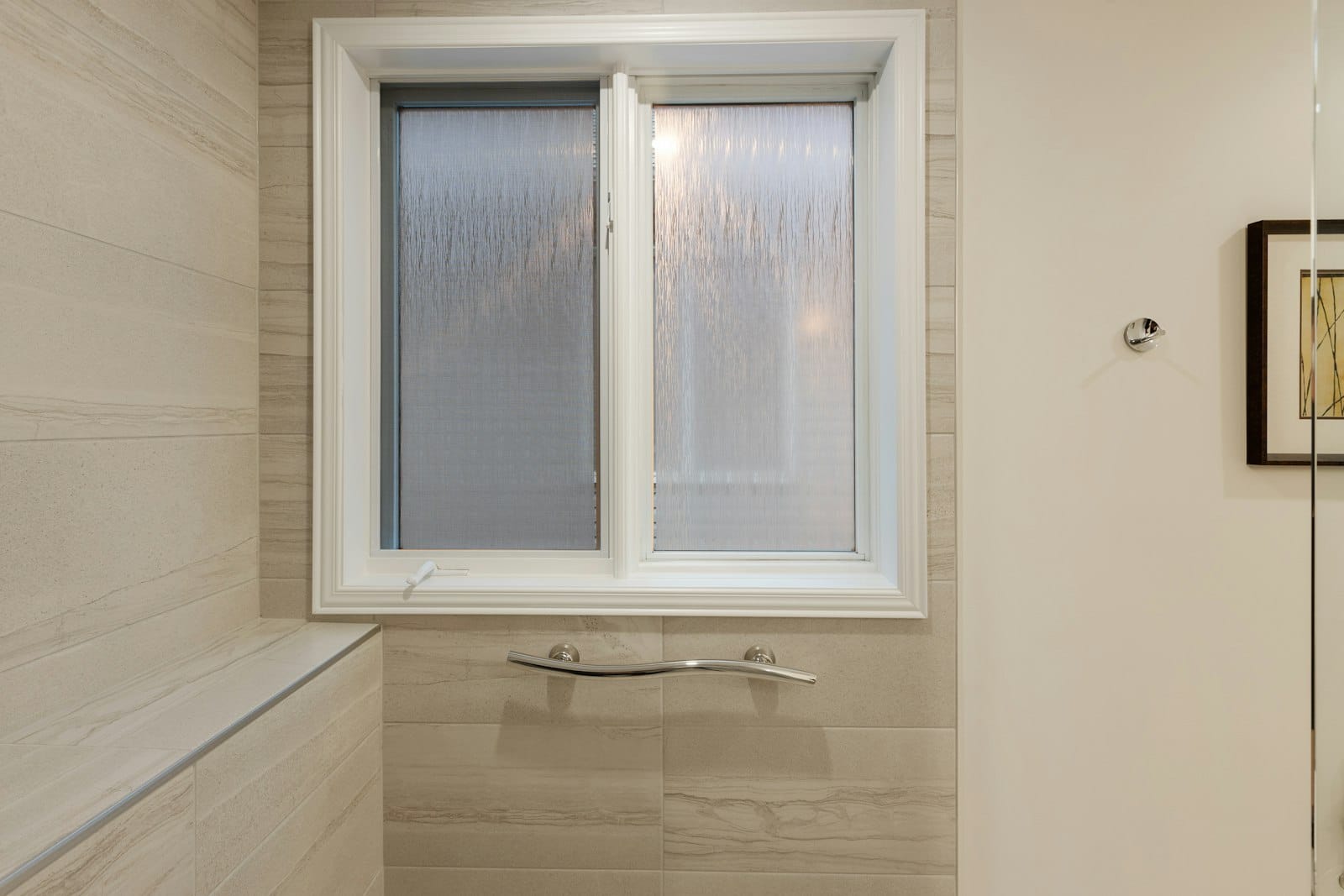
A bathroom window has a harder job than most windows in the house. It has to clear steam and smells, keep the room private, put up with splashes and humidity every day, and still let in daylight. That is why bathroom uPVC windows and ventilators are worth a close look for new homes and renovations in Bengaluru: the frame material copes well with moisture, and the designs suit small, awkward openings.
This guide covers the main designs, how a ventilator with exhaust fan provision works, which glass gives privacy and safety, how to keep mosquitoes out, and what to settle before the tiles go on.
What a bathroom window has to do: ventilation, privacy, moisture and safety
Most bathroom complaints, from a musty smell to black spots on the ceiling, come back to one of these four jobs being done poorly.
- Ventilation: Steam from a hot shower needs a way out, or it settles on walls, ceilings and grout. The World Health Organization’s guidelines on dampness and mould link damp, mouldy buildings to more respiratory symptoms, allergies and asthma.
- Privacy: Bathrooms often face a neighbour’s wall, a corridor or an open shaft, so the glass must block the view without blocking daylight.
- Moisture resistance: The frame, seals and hardware sit in a humid room daily, and the outside face takes the monsoon rain.
- Safety and security: Glass near the shower or close to the floor should be safe if it breaks, and a ventilator reachable from outside should not be an easy way in.
Bathroom window designs
Most bathroom window designs fall into four groups. The right one depends on the size of the opening, what lies outside it and whether you want an exhaust fan in the same frame.
Top-hung ventilator
A top-hung window is hinged along its top edge and opens outward from the bottom. The open sash sits like a small canopy over the gap, so it can often stay open in light rain, which helps during Bengaluru’s wettest months, usually September and October. It also opens only partly, giving air without a wide-open view. Vtech Windows makes top-hung casement windows as part of its uPVC casement range.
Fixed glass with a top-hung vent
For a wider opening, a fixed glass panel for daylight can be paired with a smaller top-hung vent for air. The vent can sit high, where warm, moist air collects. See how fixed glazing windows work, and ask our team about combining a fixed panel and a vent for your opening.
Louvre-style ventilators
Louvres are a row of angled slats, usually glass, set in a frame. Adjustable louvres let you control air flow, and the angled slats shed light rain. The trade-off is sealing: louvres rarely close as tightly as a casement sash, so more dust and wind-driven rain get in. On an opening that can be reached from outside, glass blades held in clips can also be a security weak point. If you like bathroom window louvers, ask our team whether a louvre-style ventilator suits your opening.
Small sliding windows for larger bathrooms
Larger bathrooms sometimes have a full window rather than a ventilator. A small sliding window suits them where a grill, sunshade or duct wall leaves no room for an outward sash. On a two-track window only about half the opening is open at a time, and the track needs regular cleaning so water can drain. V-Tech’s uPVC sliding range includes two track, three track, monorail and fly mesh sliding windows.
| Design | Air flow | In light rain | Privacy | Best for |
|---|---|---|---|---|
| Top-hung ventilator | Good, opens partly | Can usually stay open | High | Small bathrooms and toilets |
| Fixed glass with top-hung vent | Good, from the vent | Vent can usually stay open | High | Wider openings that need daylight |
| Louvres | Adjustable | Slats shed light rain | Depends on glass and angle | Adjustable air flow |
| Small sliding window | About half the opening | Best closed | Lower when open | Larger bathrooms |
Ventilators with exhaust fan provision: how the fan cut-out works
Many bathrooms, especially in apartments, have an exhaust fan fitted in the ventilator itself. A uPVC ventilator with exhaust fan provision is a frame divided into sections, with one section made to hold the fan: either a solid infill panel or a glass panel with a round opening sized for it.
- Choose the fan first. Fans differ in size and mounting plate, so give the exact model to your window maker and have the cut-out made to match.
- Glass cut-outs come before toughening. If the fan sits in toughened glass, the hole must be cut before the glass is toughened. Toughened glass cannot be cut or drilled afterwards without shattering.
- Plan the wiring early. Ask your electrician for a switch and power point near the ventilator before plastering.
- Look for a back-draft shutter. Many exhaust fans have shutters that close when the fan is off, helping keep out draughts, dust and insects.
If you want a fan in your bathroom window, ask our team about exhaust fan provision during the free site visit, so the fan section is planned with the rest of the frame.
Glass for bathroom windows: frosted, textured and toughened
Bathroom window glass has two jobs: hide the view and stay safe if it breaks.
- Frosted glass: Glass whose surface is acid-etched or sandblasted to an even, milky finish. Frosted bathroom window glass lets in soft daylight while blurring what is behind it.
- Textured or patterned glass: Glass with a pattern rolled into one face. Deeper patterns hide more detail.
- Frosted film: A stick-on film over clear glass. It is a quick fix for an existing window, though it scratches more easily than treated glass.
- Toughened glass: Heat-treated glass around four to five times stronger than ordinary annealed glass, which breaks into small, blunt pieces instead of sharp shards. Consider it for any pane near a shower, bathtub or the floor.
The Bureau of Indian Standards covers this in IS 16231 (Part 4):2019, its code of practice on glass in buildings and safety related to human impact, which sets out where safety glass is needed, such as doors and low-level glazing. A pane can be both frosted and toughened. V-Tech’s windows are available with single or double glazing; ask our team about frosted, textured and toughened glass for your bathroom uPVC windows.
Keeping insects out: mesh for bathroom ventilators
An open ventilator is also an open door for mosquitoes, and dengue is a real concern here: Karnataka notified dengue as an epidemic disease in 2024, making property owners responsible for preventing mosquito breeding.
On an outward-opening top-hung vent, the mesh goes on the inside of the frame because the sash swings away from it, usually as a hinged, pleated or roller screen so you can still reach the handle. On a sliding window, a mesh shutter usually runs in its own track, and V-Tech’s fly mesh sliding windows let you keep the window open while keeping mosquitoes and insects out.
Mesh only stops insects coming in. Dengue mosquitoes breed in clean water left standing for over a week, and health department guidance even lists window parapets as breeding spots. Keep buckets and drums covered or emptied, and make sure the outer ledge does not hold water.
Why bathroom uPVC windows suit wet areas
Wood can swell, rot and need repainting in a bathroom, and untreated steel rusts. uPVC (unplasticised polyvinyl chloride) does not rot, warp or need painting. In V-Tech’s windows, the profiles are multi-chambered hollow uPVC sections with galvanised steel reinforcement. EPDM weather seals and glazing gaskets help keep out dust and rain, and the hardware is corrosion-resistant. Our page on the benefits and features of casement windows explains more.
Easy cleaning tips:
- Wipe frames with a soft cloth and a standard household cleaner, and rinse off soap splashes before they dry into a film.
- Skip abrasive scrubbers and harsh solvents.
- Oil the hinges, stays and locks once a year.
- Keep drainage slots and the outer sill clear so water runs away.
- Run the fan or open the vent after a shower so the room dries out.
Size and placement tips
- Check the bye-laws first. Local building bye-laws set a minimum ventilation opening for bathrooms and toilets. Ask your architect to confirm the figure for your building.
- Place it high. A high ventilator gives privacy and lets out the warm, moist air that rises towards the ceiling.
- Avoid the direct shower spray where you can, so the frame and seals are not soaked daily.
- Check what is outside. If the ventilator opens into a shaft or duct, make sure there is room for an outward-opening sash and for servicing the fan.
- Plan grills with the window. A ventilator reachable from a sunshade, terrace or the ground may need a grill, so decide on both together.
- Get the opening measured on site. Our free site visit includes laser measurement. We then make the windows to measure in our Bengaluru factory, and our own team installs them, typically 18 to 21 days from first visit to installation.
For the rest of the house, see our uPVC casement windows in Bangalore or read more about Vtech Windows.
Frequently asked questions
Which window type is best for a bathroom?
For most bathrooms, a top-hung ventilator with frosted or textured glass works well: it opens partly, can stay open in light rain and keeps the room private. Wider openings suit a fixed glass panel with a top-hung vent, and larger bathrooms can use a small sliding window.
Can an exhaust fan be fitted in a uPVC ventilator?
Yes, a uPVC ventilator can be designed with a section that holds an exhaust fan, in an infill panel or in glass cut before toughening. Choose the fan model first so the cut-out matches, and ask our team about exhaust fan provision at the site visit.
Is frosted glass private enough at night?
It hides detail well, but with the light on inside and darkness outside, blurred shapes and movement can still show. If the window faces a neighbour or corridor, choose a more obscure pattern, place the window higher or add a blind.
Do uPVC bathroom windows get mould or rust?
uPVC does not rot or rust, and in V-Tech’s windows the steel reinforcement is galvanised and the hardware corrosion-resistant. Mould can still grow on soap film and dirt in the corners of any window if the room stays damp, so wipe regularly and ventilate well.
What size should a bathroom ventilator be?
There is no single right size. Your local building bye-laws set the minimum ventilation opening, and the final size depends on the wall, the fan and what lies outside. Confirm the requirement with your architect, then have the opening measured on site.
Can bathroom ventilators have mosquito mesh?
In most cases, yes. Outward-opening vents can take a hinged, pleated or roller mesh on the inside of the frame, and sliding windows can have a separate mesh shutter. Ask our team which option suits your ventilator.
Building a new bathroom or replacing an old ventilator? Book a free site visit and our team will measure the opening, talk you through designs and glass, and answer your questions on exhaust fan provision.
Free site visit
Planning new uPVC windows or doors?
Our expert will visit, measure & quote — all free.